ZenWrist / Guide
Feng shui placement compass: the eight directions
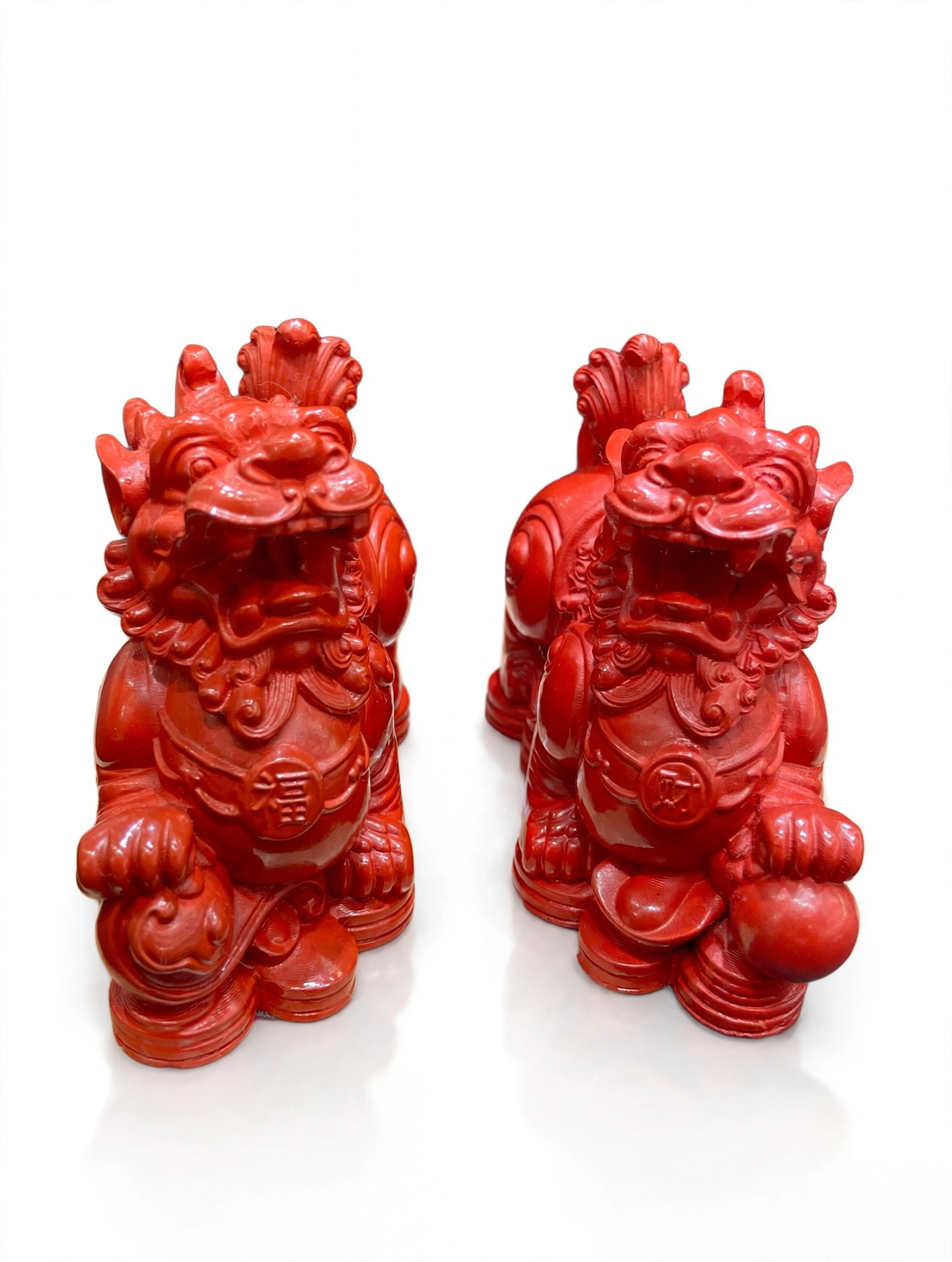
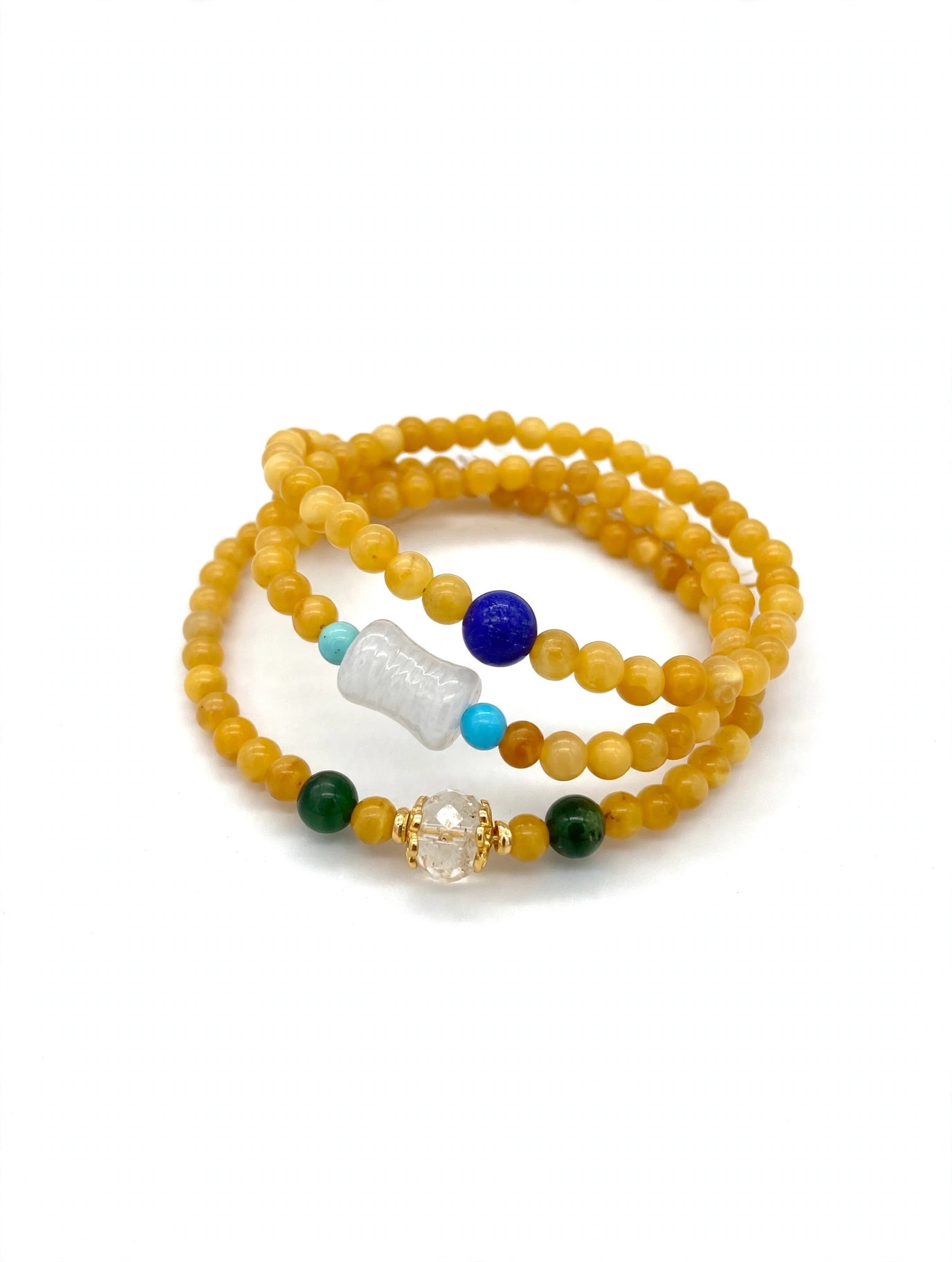
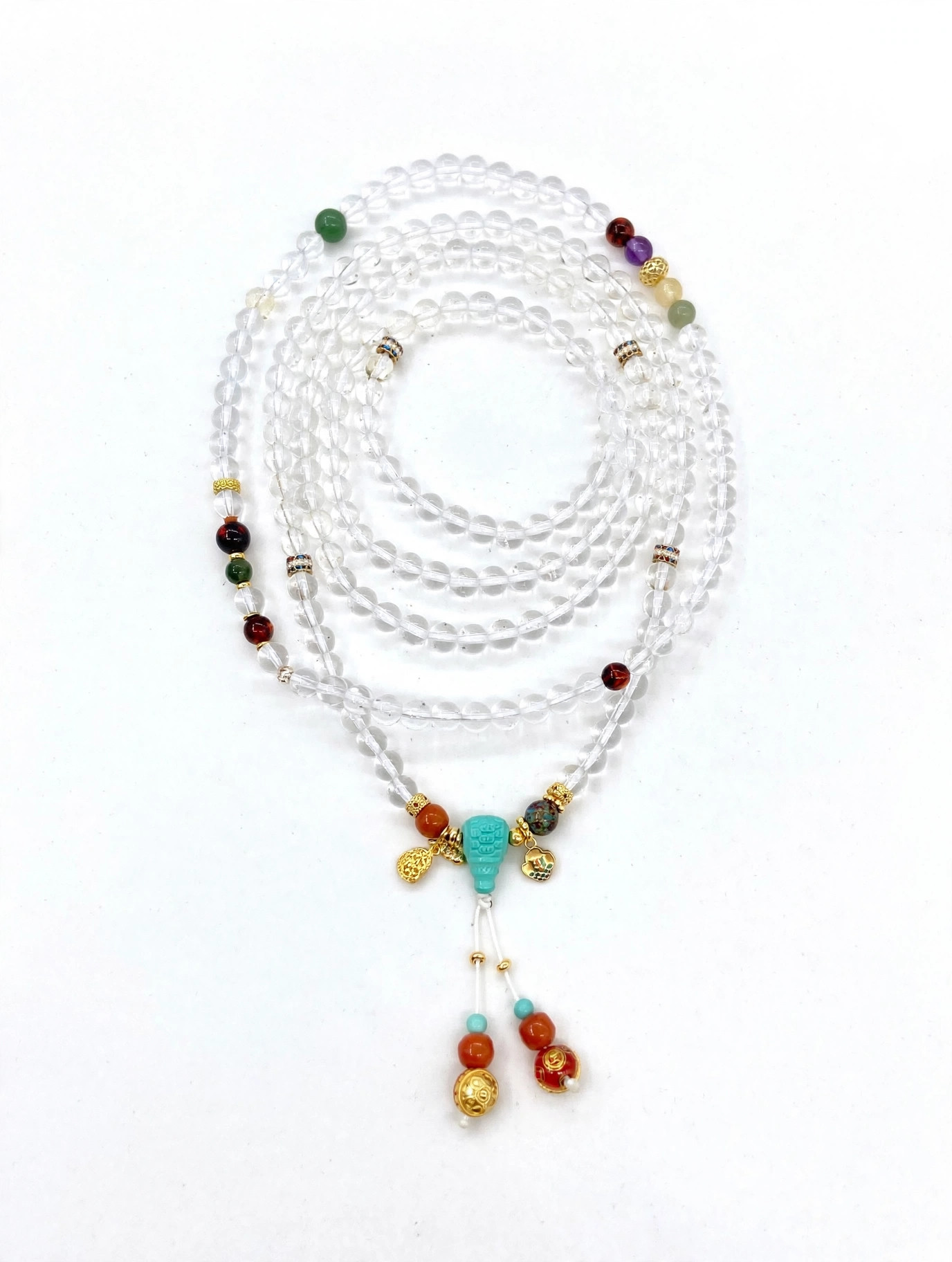
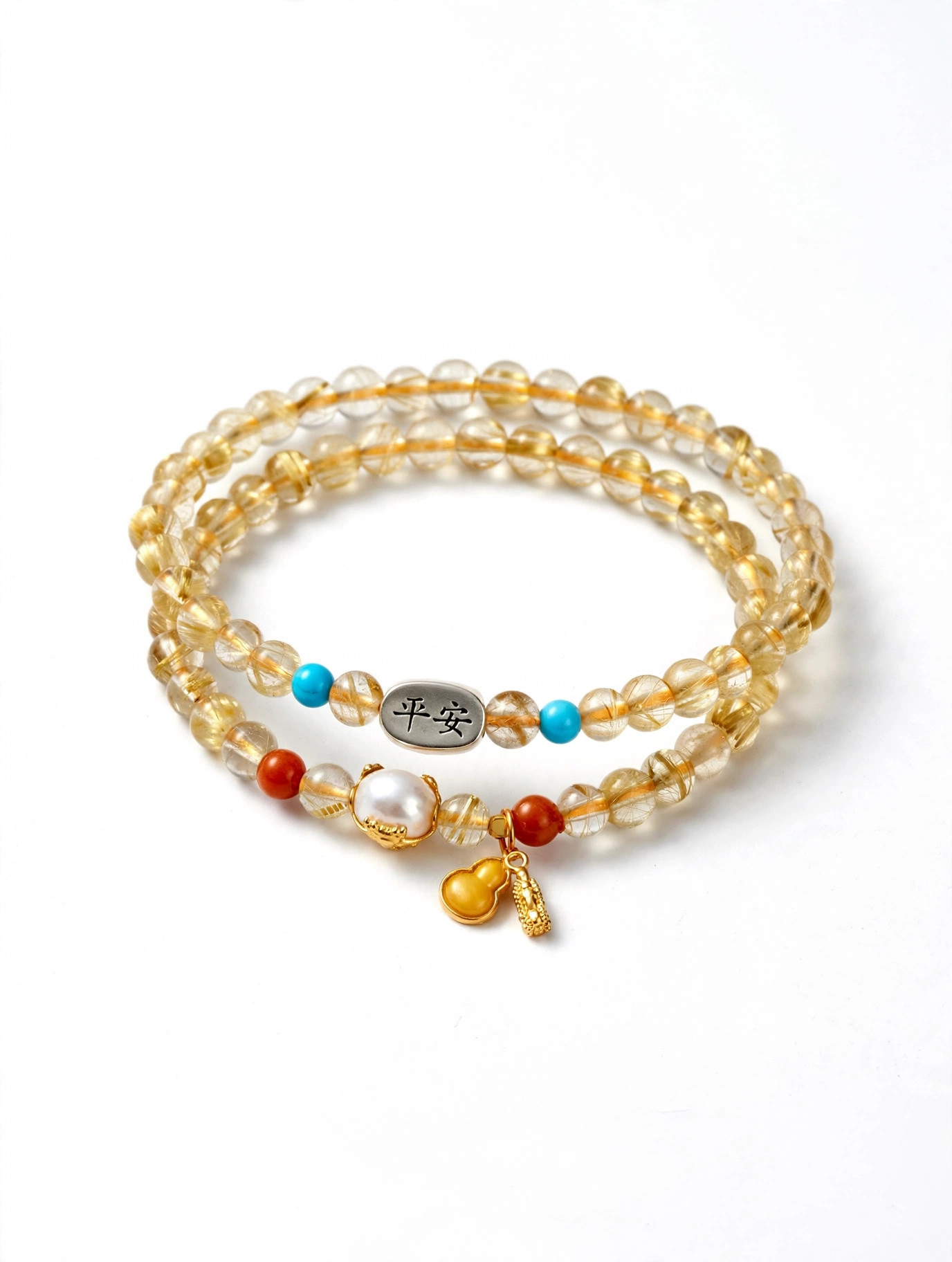
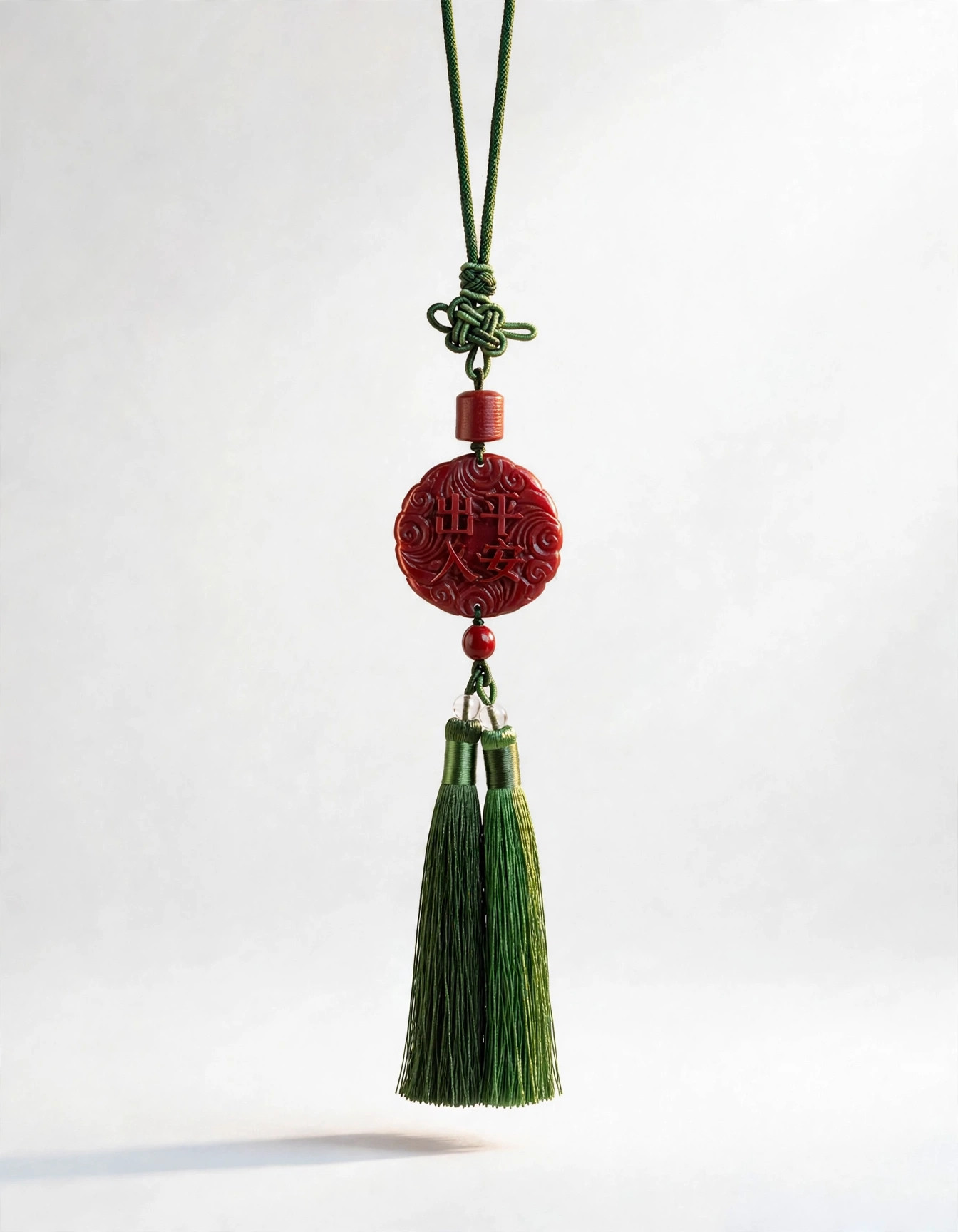
Tap a direction and see what folk tradition puts there: each of the eight bagua directions has a traditional association — career in the north, the popular 'wealth corner' in the southeast — and ZenWrist decor and hanging pieces that match it, with a customary placement tip. Cultural lore only; nothing here promises an effect.
Last updated: 18 November 2026
1. Pick a direction
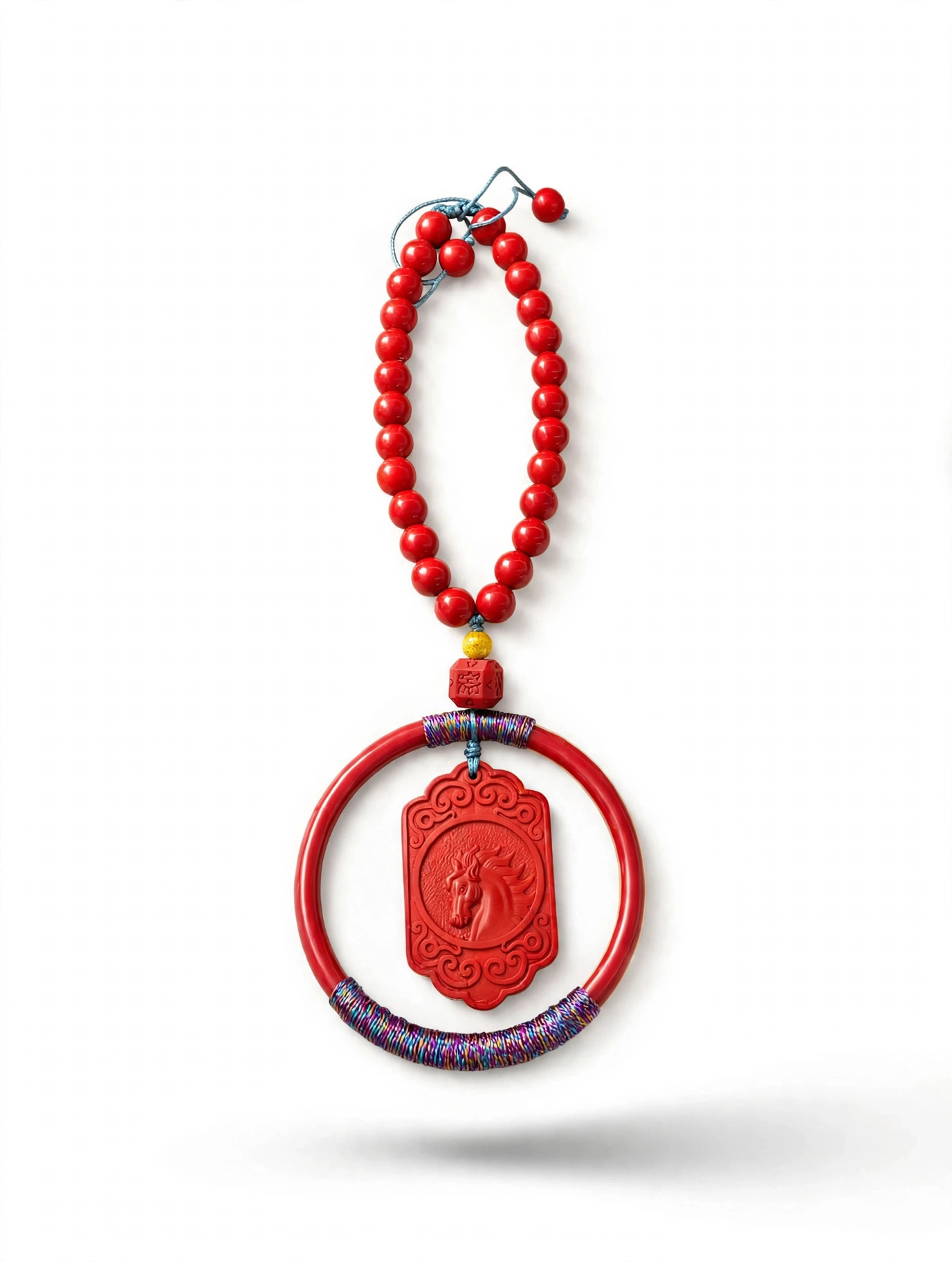
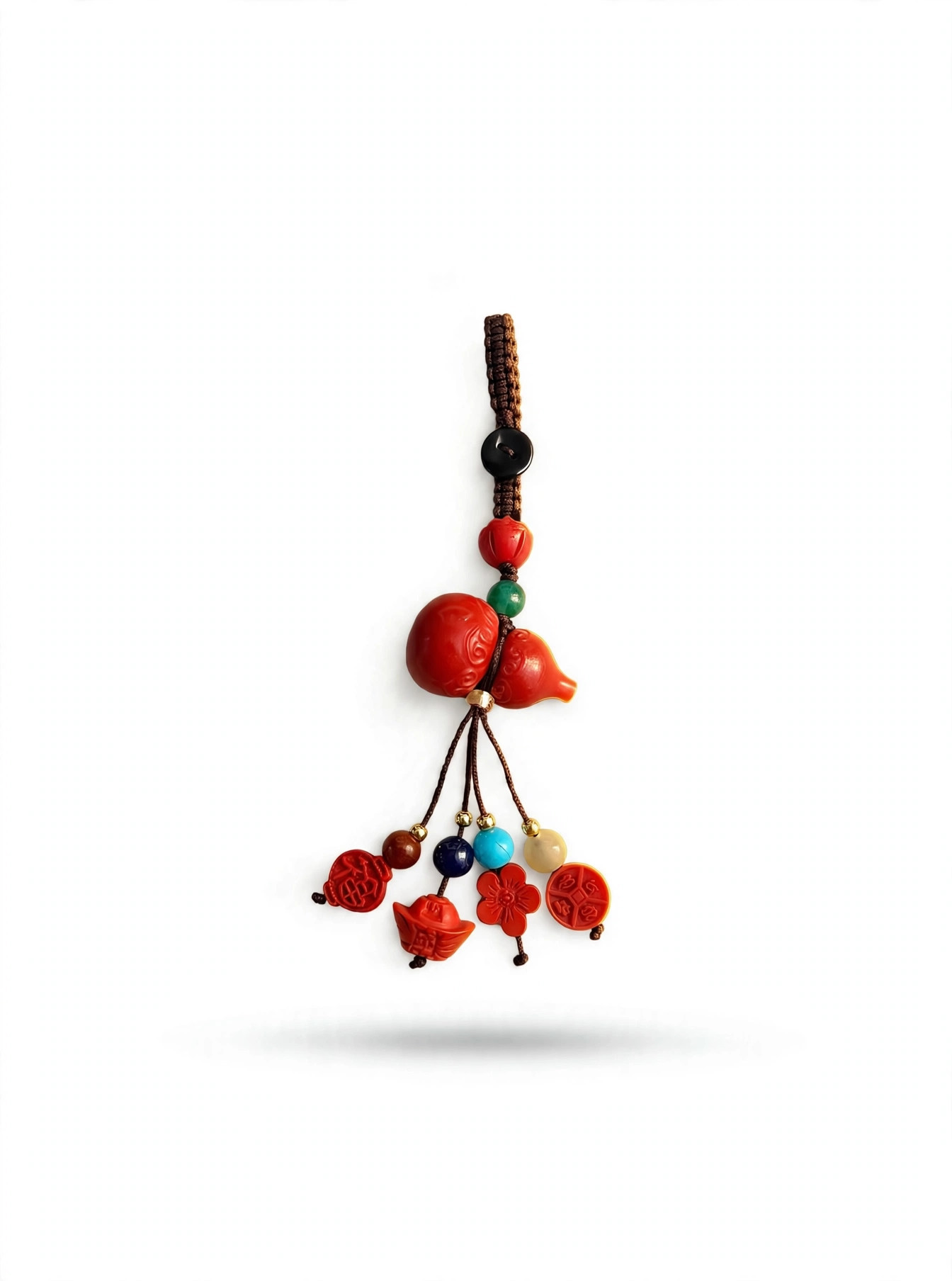
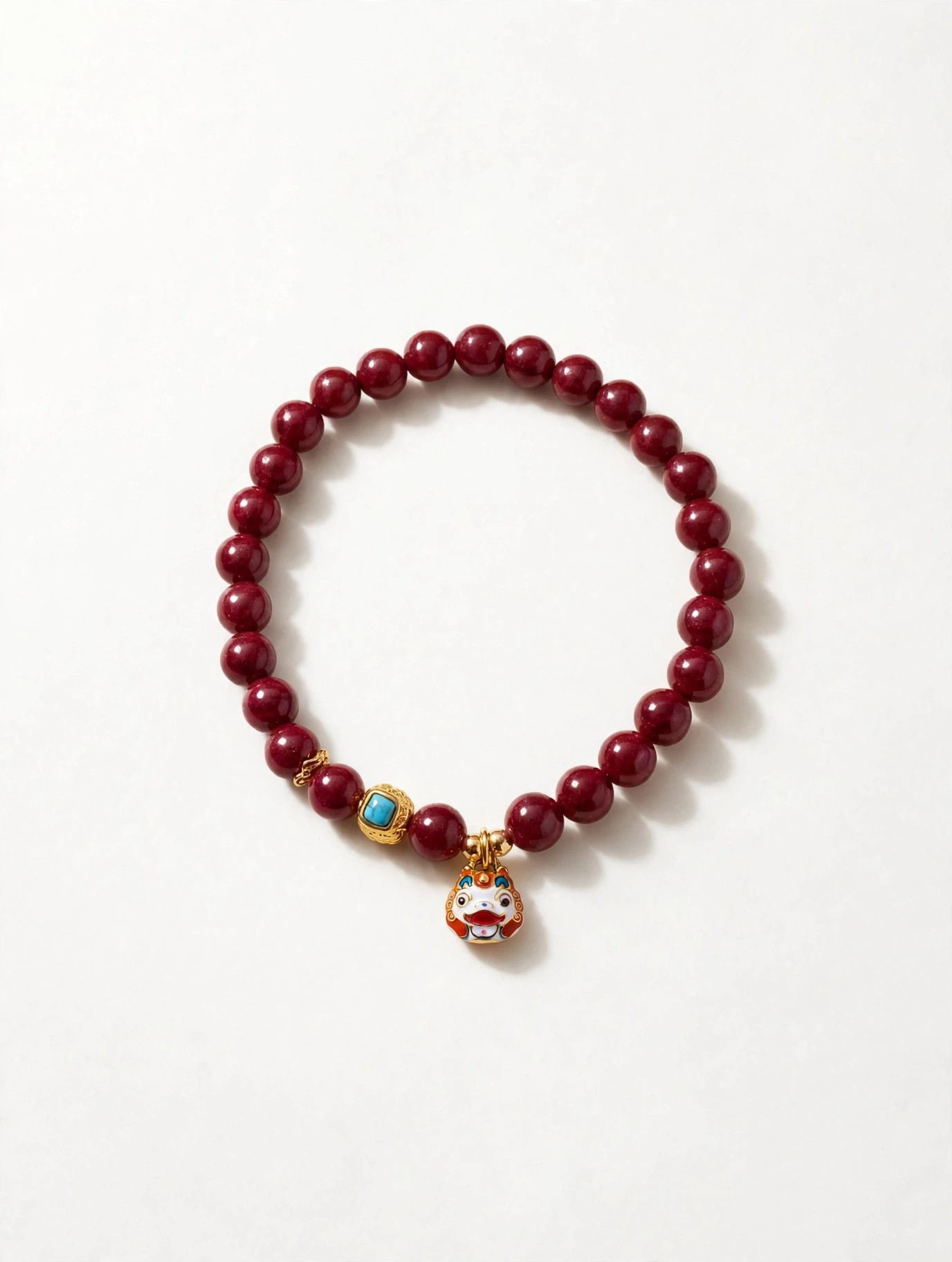
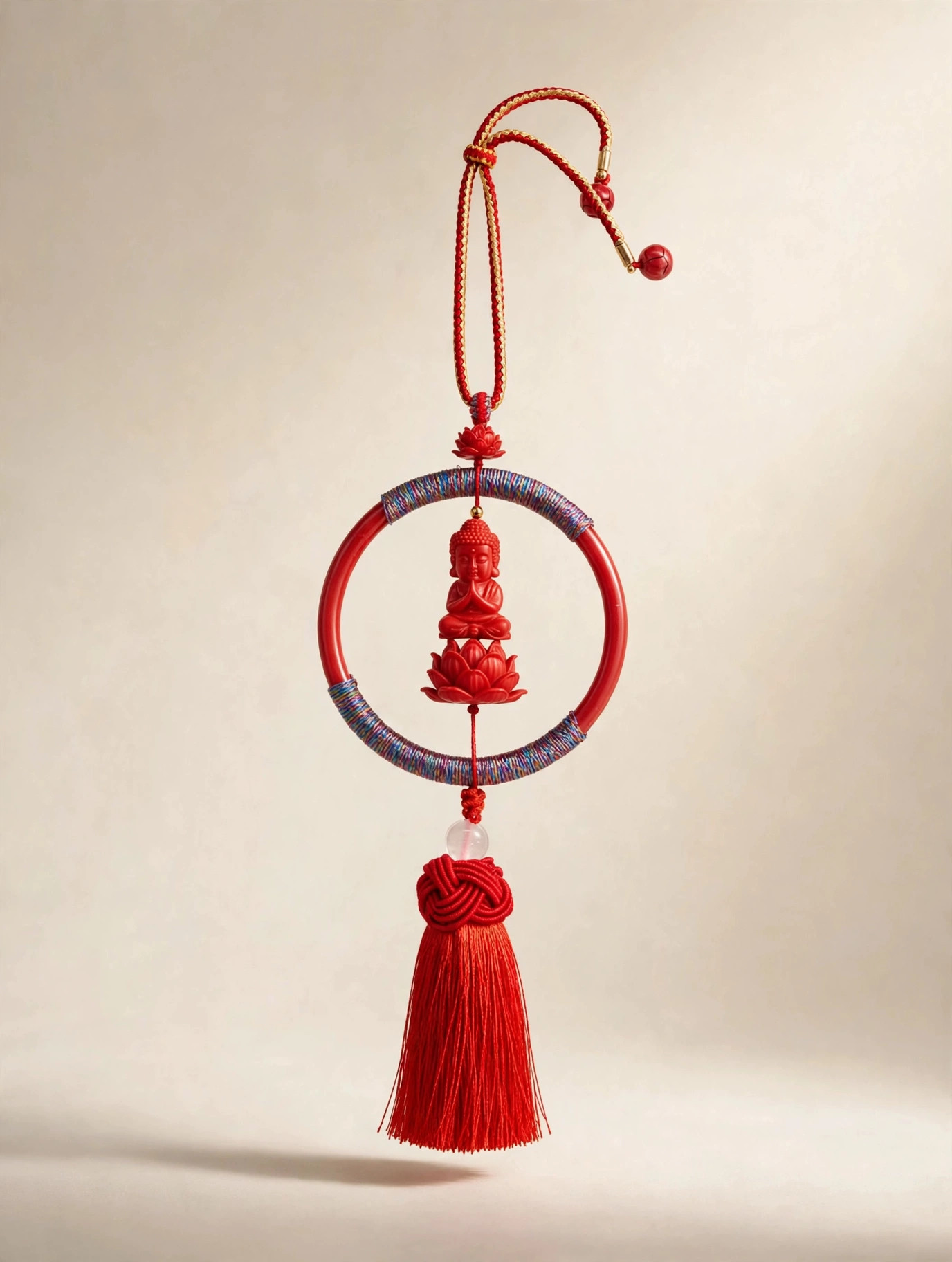
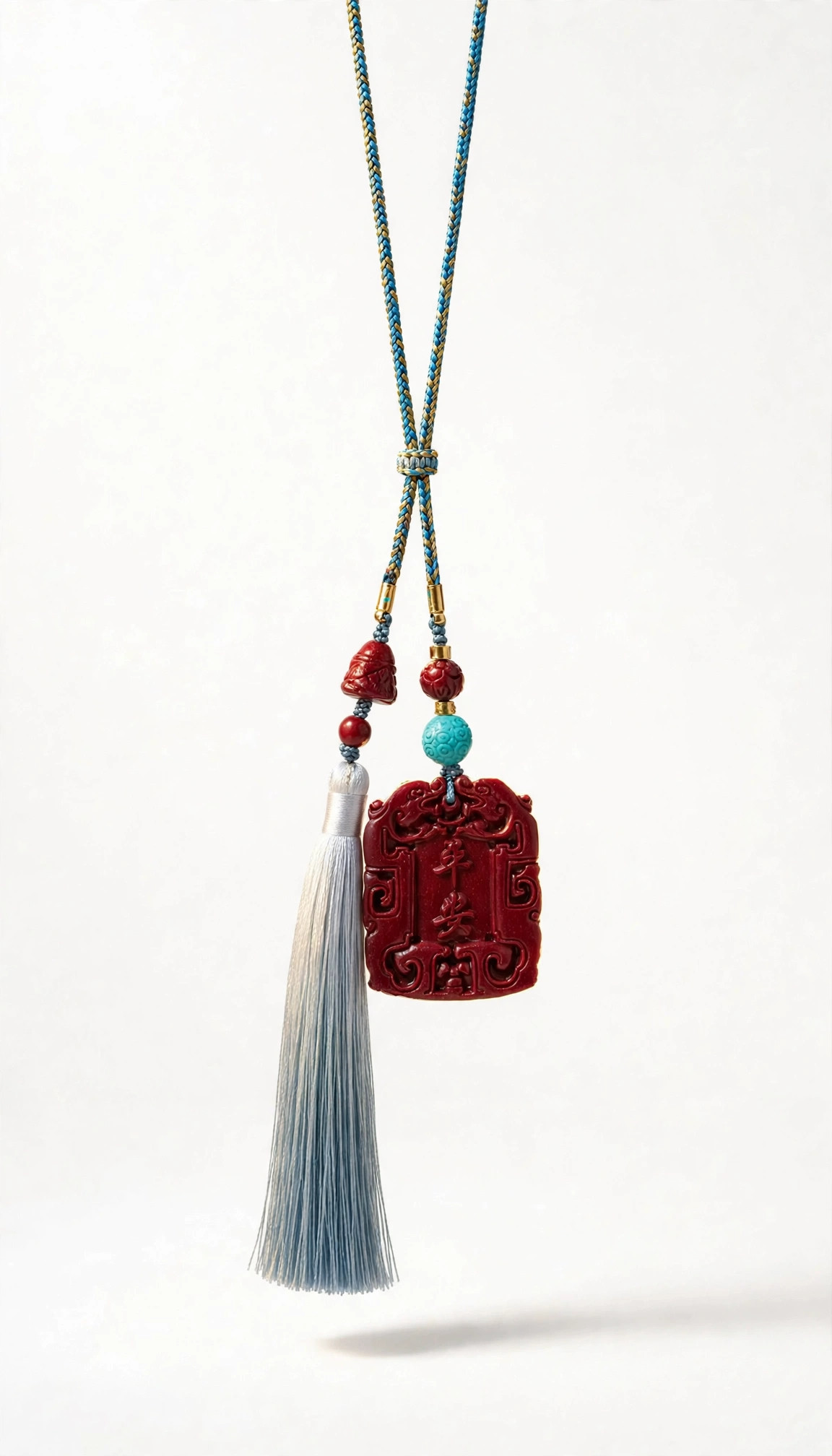
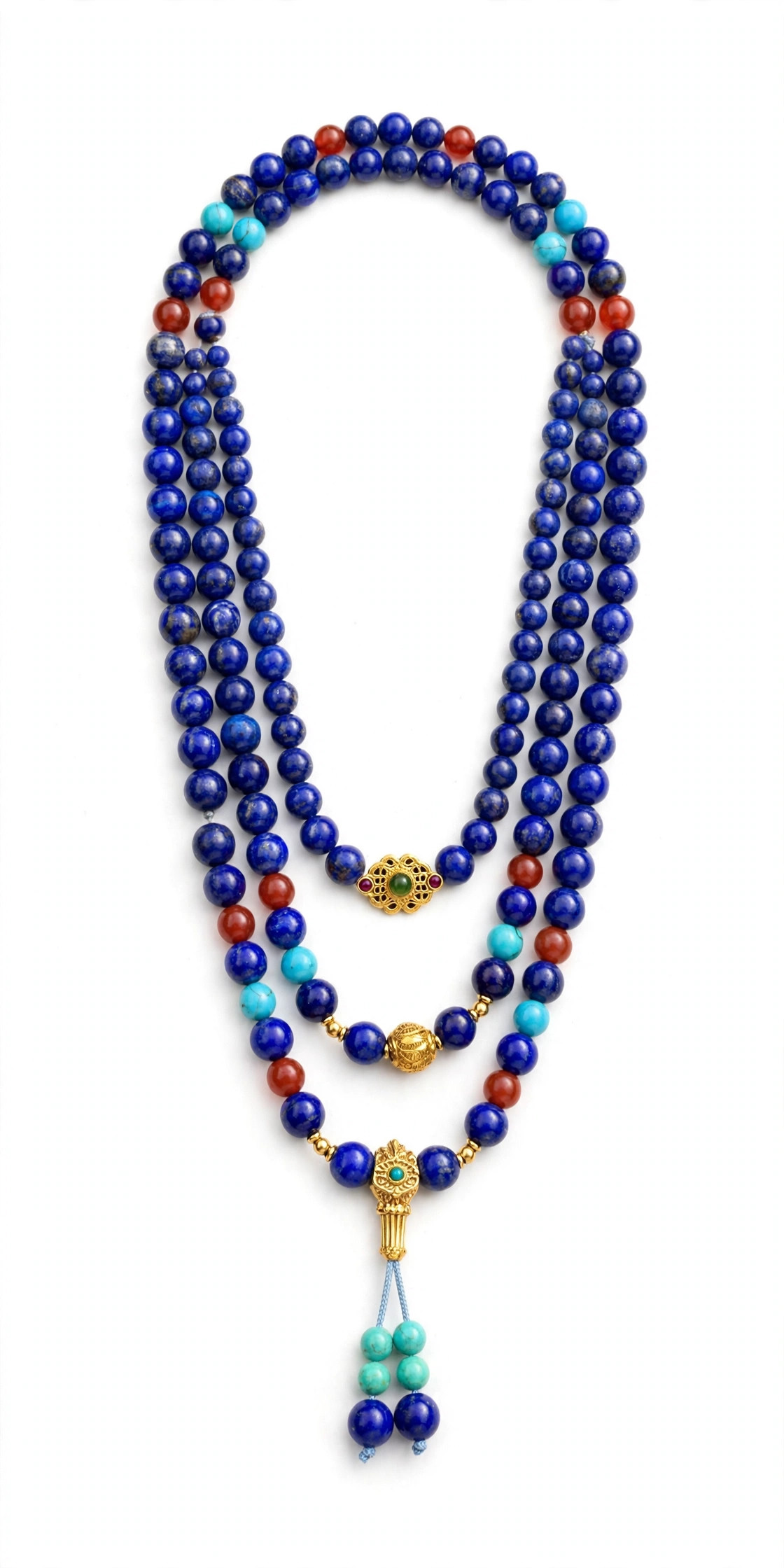
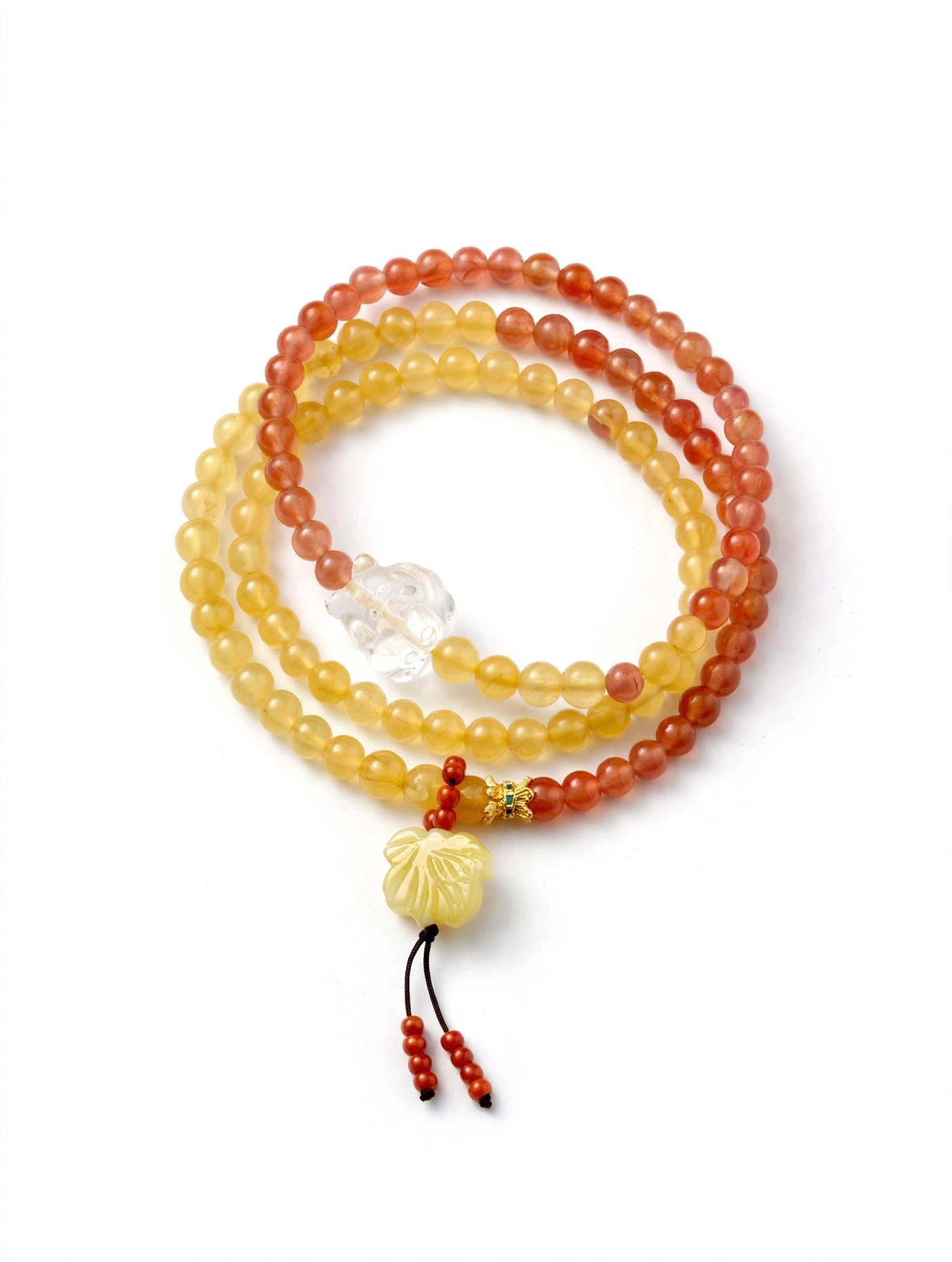
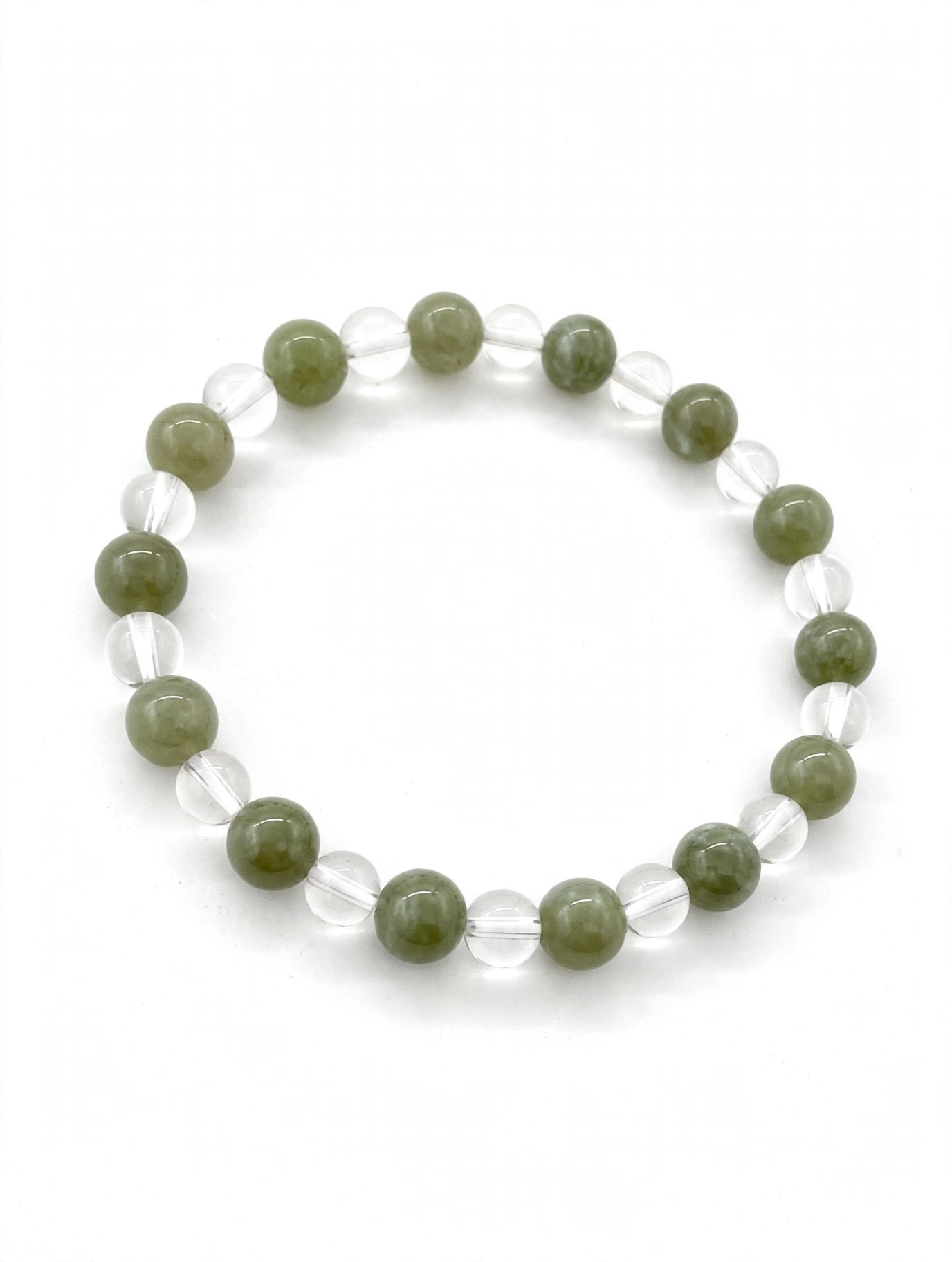
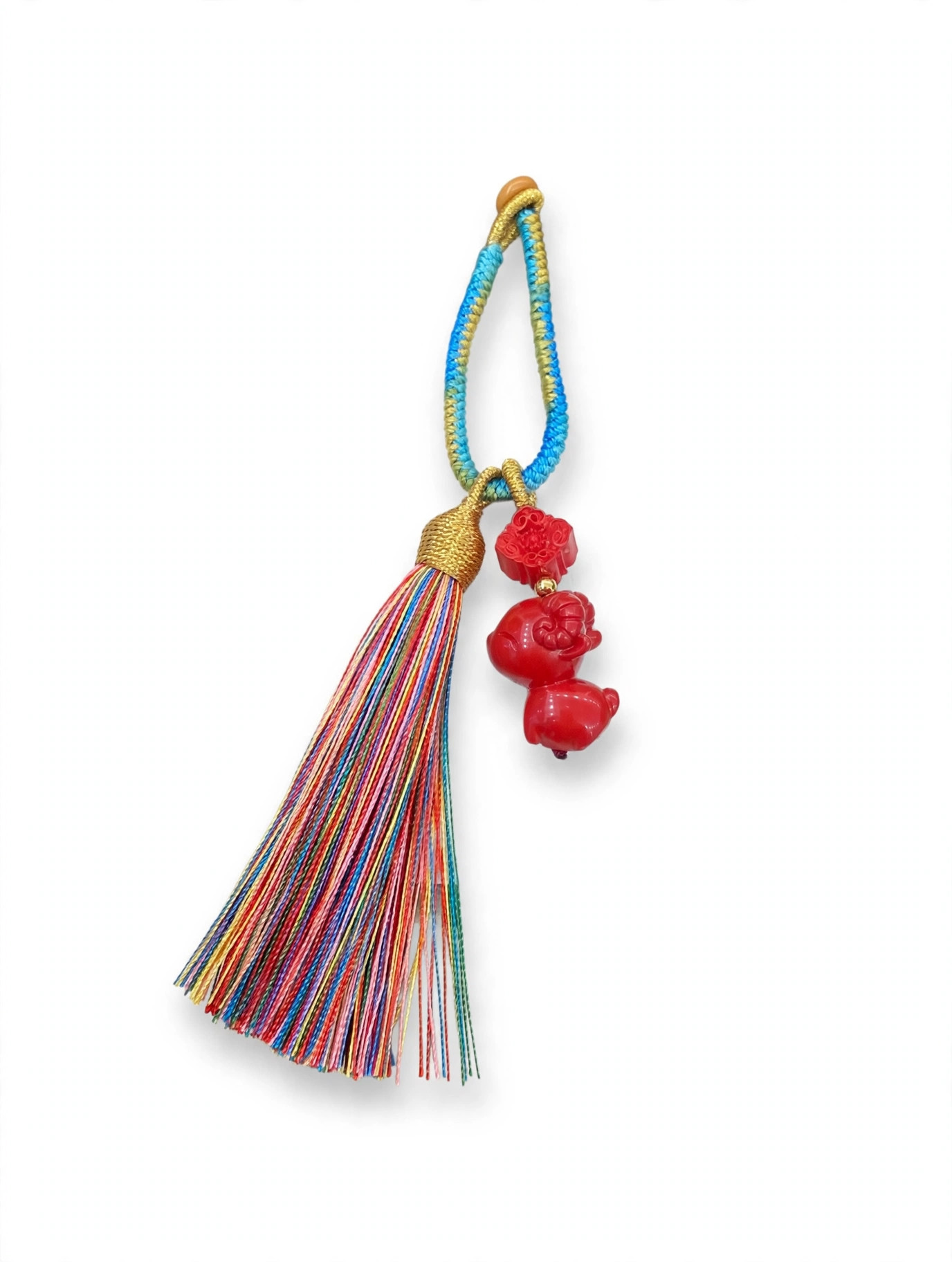
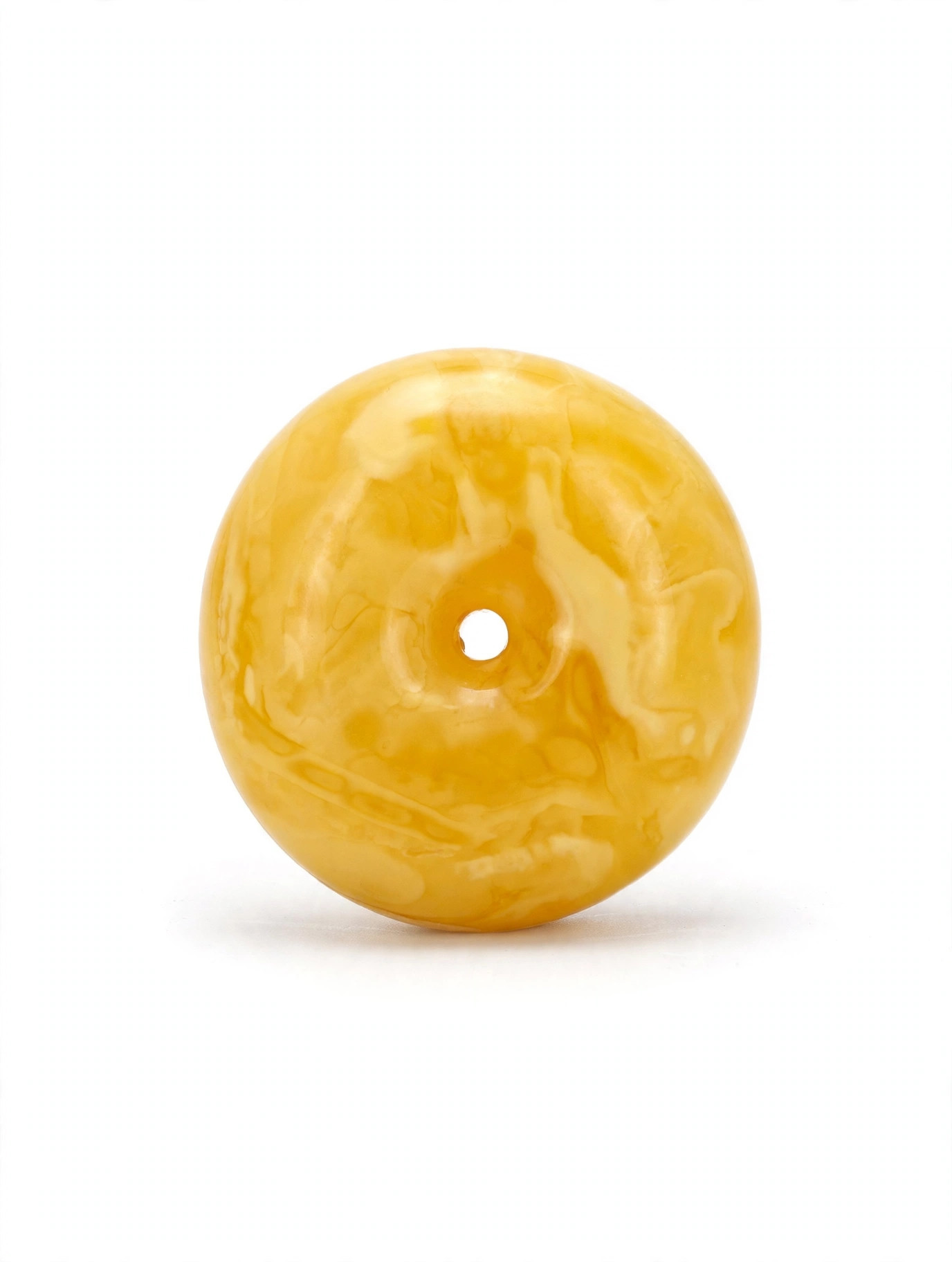
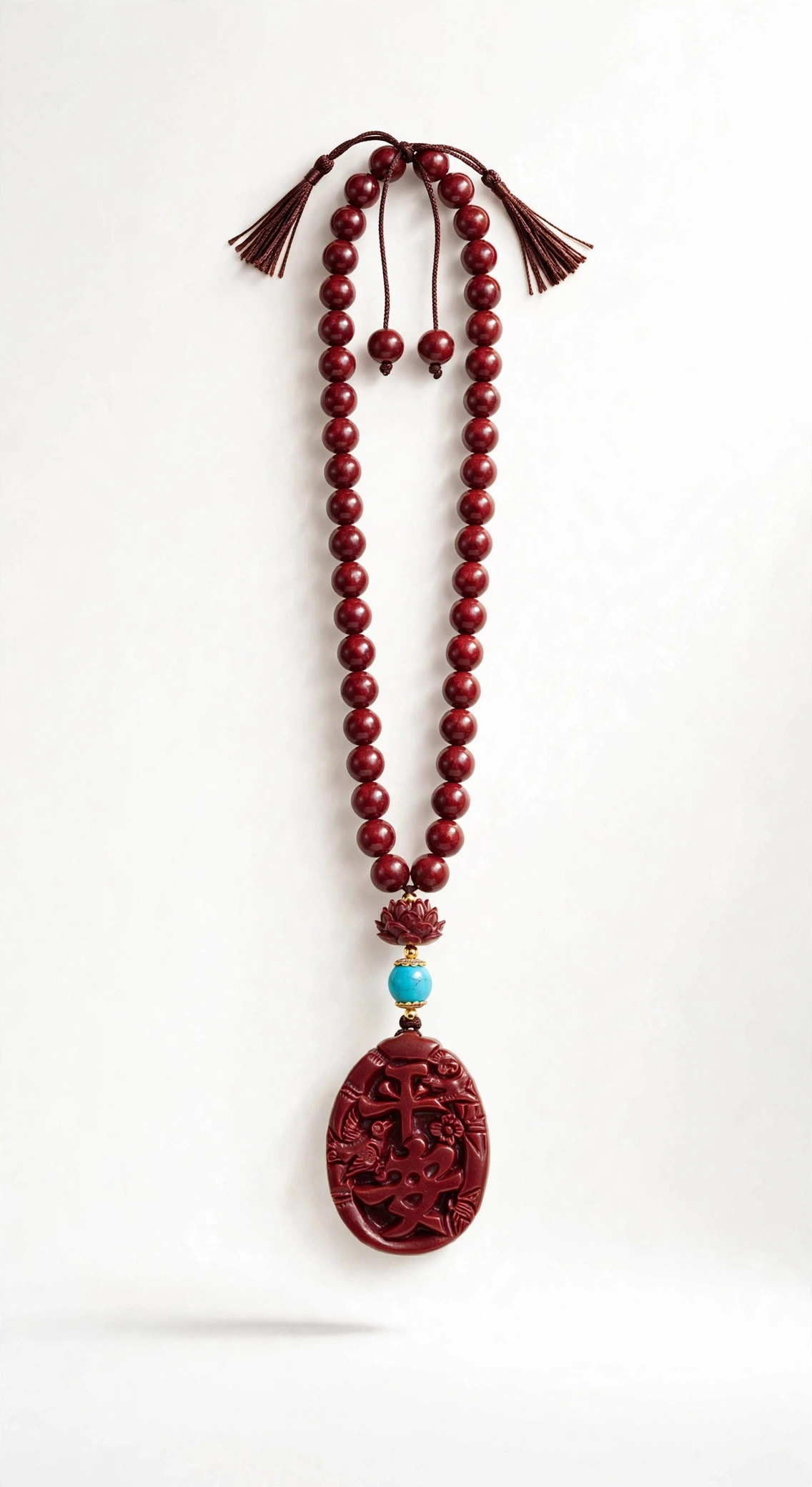
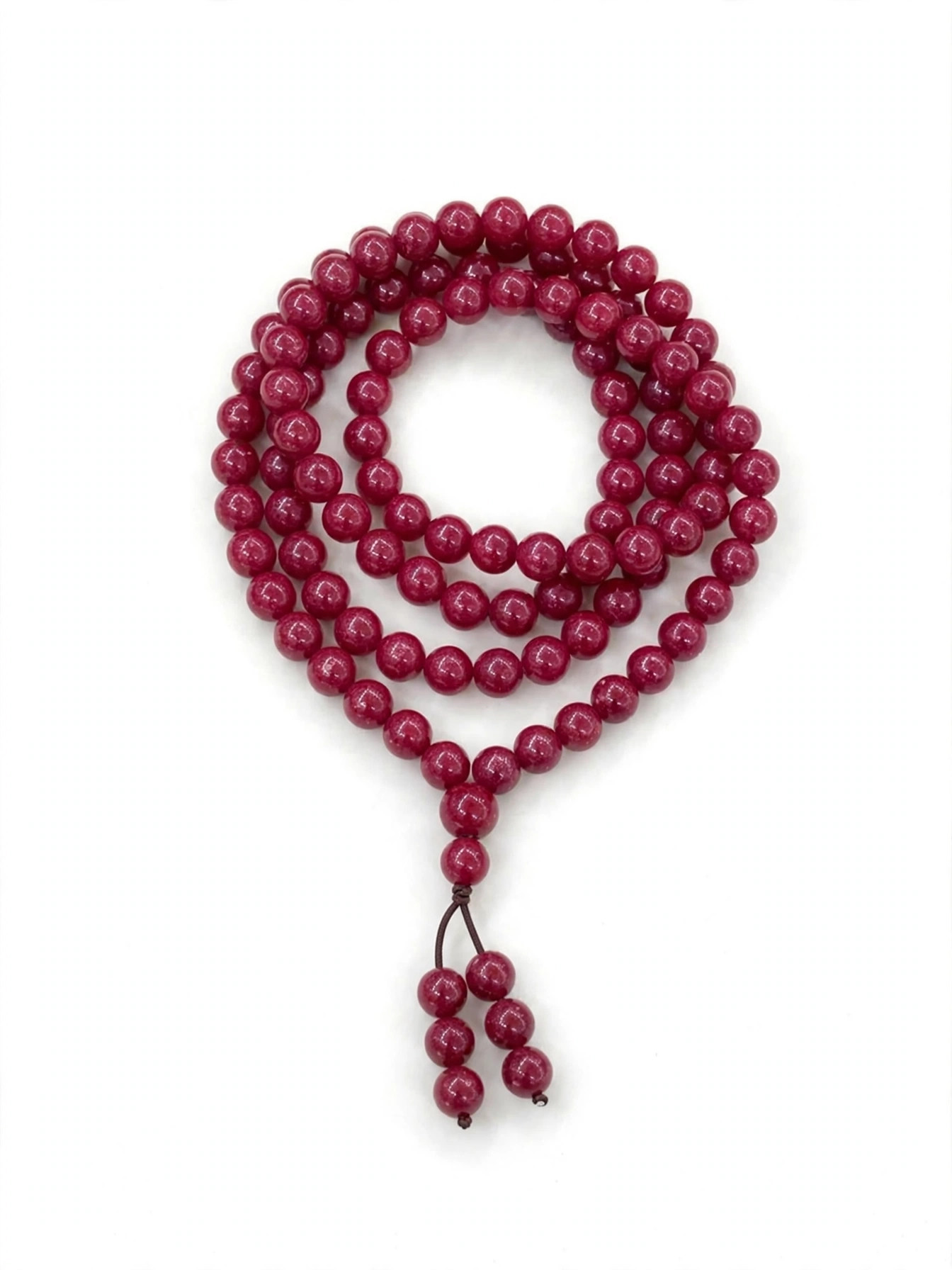
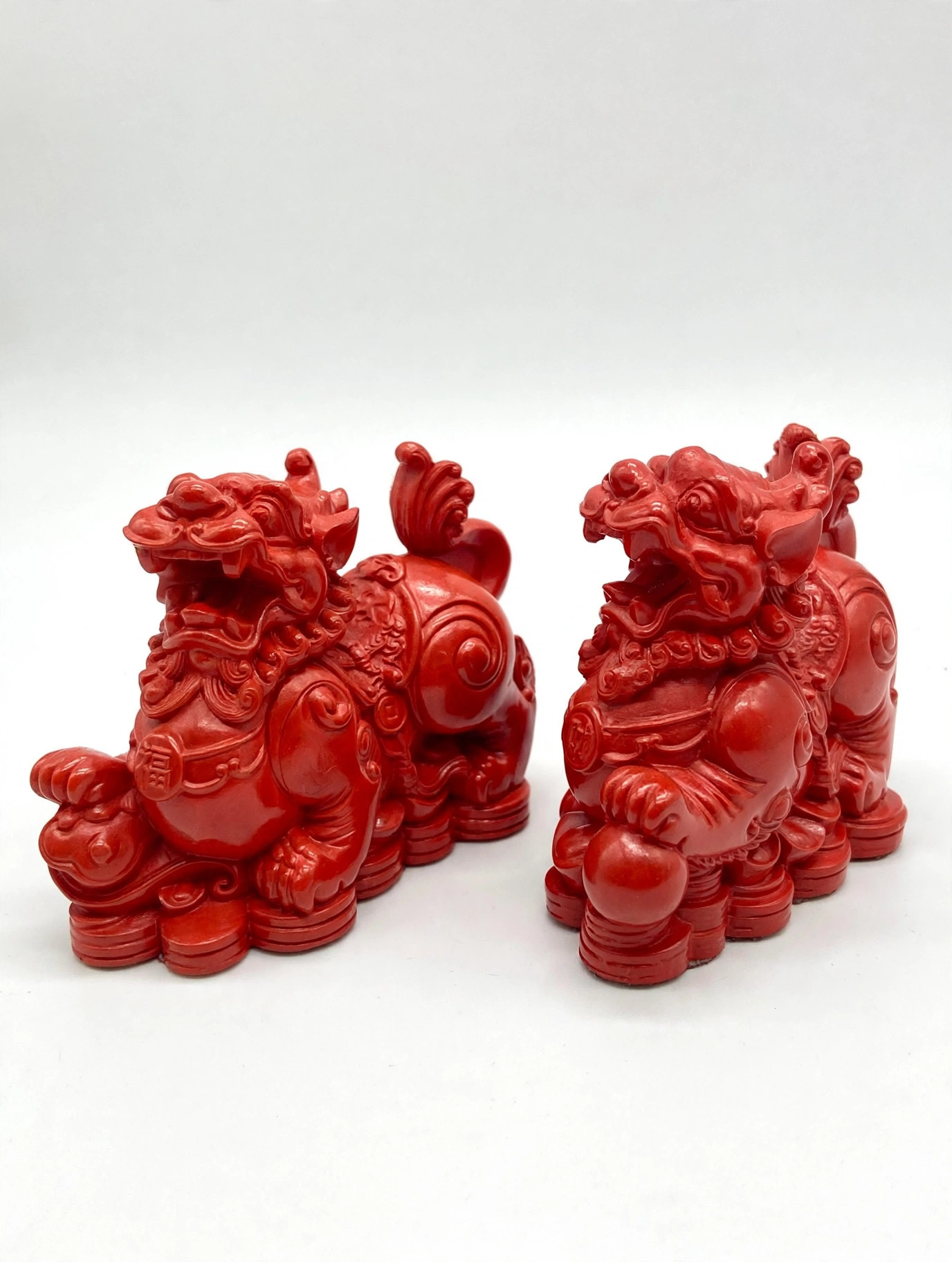
2. How the eight directions are used
The grid above is the bagua — the eight trigrams arranged around a centre, each tied to a direction, an element and an area of life. The version used here is the fixed, compass-based layout found in popular feng shui: stand at the centre of the home (or the room), find north, and the sectors fall where the grid puts them. The associations are folk tradition, passed down as custom: north–water–career, south–fire–reputation, southeast–wood–the corner popularly called the wealth corner, and so on.
Two honest limits. First, this is the simplified fixed-sector method; schools that work with flying stars or a home's exact facing direction will lay the same rooms out differently. Second, the pieces shown are decor and hangings from our decor collection matched by element, colour and motif — the same element mapping as our five-elements guide. Where a direction's element has no decor piece, a wearable in the same element is shown and labelled by its product name as usual. This compass stays on cinnabar and feng shui placement; for the crystal version of the same eight directions, our sister shop MOONCRYS runs a crystal placement compass.
3. A note on expectations
Placement customs are culture, not engineering. People follow these customs because they enjoy the symbolism and the ritual of arranging a home with intent. If that is you, the compass above is a faithful map of the popular version — pick the direction you care about, and place something you genuinely like there.
Frequently asked questions
Is this a flying-star feng shui chart?
No. It is the fixed bagua sector layout used in popular feng shui — the same eight sectors for every home. Flying-star charts depend on the building's construction period and facing direction and change by year; that is a practitioner's service, which we do not offer.
How do I know which way my door or desk faces?
Stand inside, facing out, and read a compass. For a room sector, stand at the room's centre and find north first; the other sectors follow the grid. Phone compasses are thrown off by metal and electronics, so step away from them when you measure.
Do I need a piece in all eight directions?
No. Folk practice usually focuses on one or two directions that matter to the household. Filling every sector is a shopping list, not a tradition.
Where do car hangings go?
On the rear-view mirror, by tradition — several of the pieces here (gourd, tassel carvings, horse plaque) are made as car hangings. Keep them clear of the driver's line of sight and follow local rules on mirror obstructions.
Will placing a piece in the southeast make me wealthier?
Southeast is called the wealth corner in popular feng shui; people place pixiu and similar motifs there as a symbol of intent. Buy a piece because you like it, not as an investment strategy.
Related: five elements & cinnabar · BaZi five-element calculator · December 2026 feng shui forecast · cinnabar vs jade · shop decor · crystal placement compass at MOONCRYS (sister shop)