ZenWrist / Blog
Mysterious Power at Home: Placing Blessing Ornaments the Traditional Way
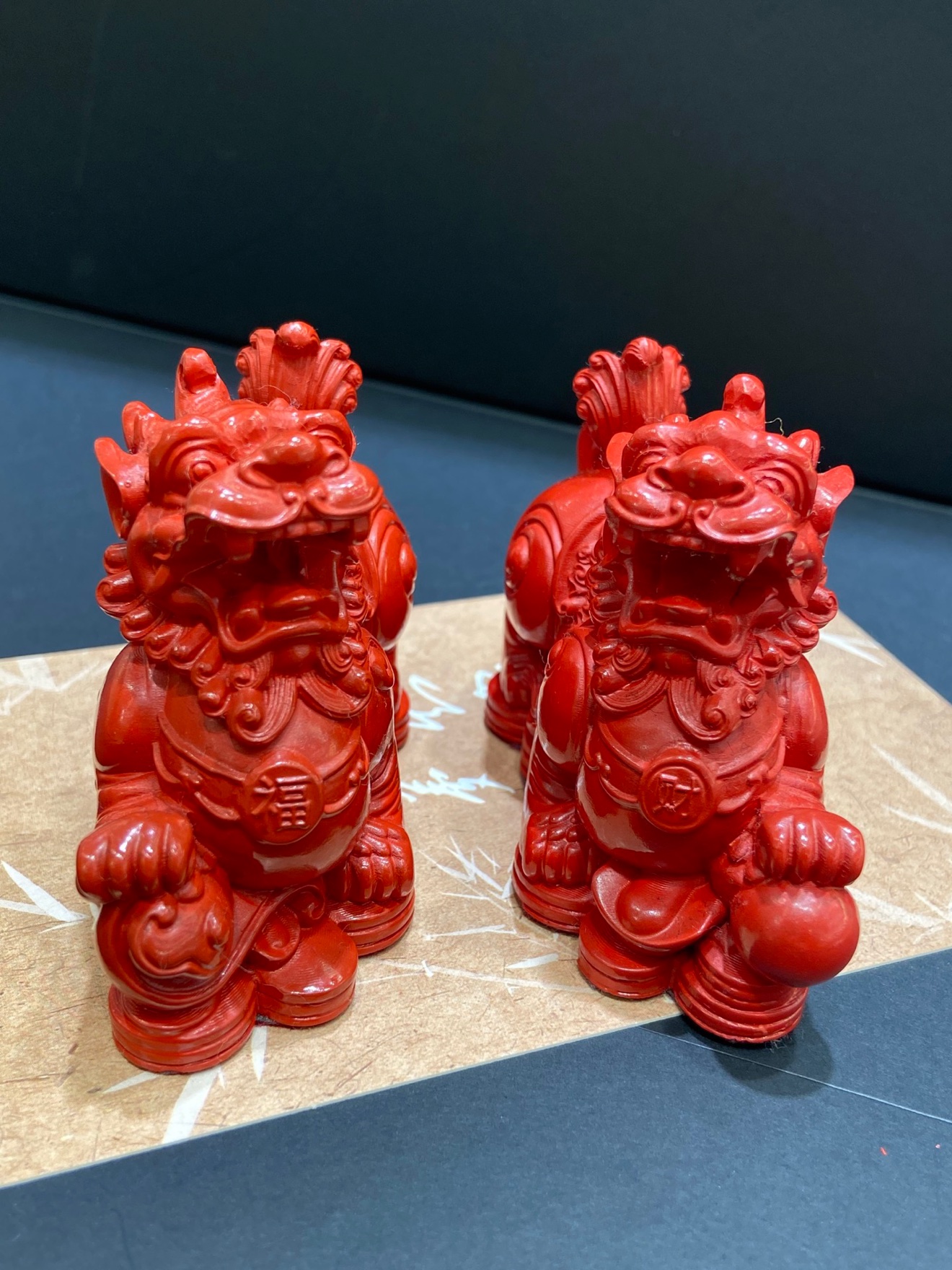
A home, in the old Chinese telling, has currents — and small red objects placed with intention are how you speak to them. This is the domestic side of what the internet now calls the mysterious power of the East. It is not spellcraft; it is a grammar of placement built over centuries: this by the door, that on the desk, facing this way, never that. Here is the beginner version of that grammar, the way it is actually practised in homes today.
Last updated: 19 November 2026
Start at the door. The entryway is where the outside world hands over to the home, and tradition stations its guardians exactly there: a hanging charm beside the door, a string of old coins, a gourd at the threshold. The logic in the folk telling is threshold logic — greet what comes in, and mark the line it crosses. It is also simply where you see the piece first and last each day, which is why entryway pieces tend to be the household's most deliberate purchase. Our decor and hangings are mostly chosen for this spot.
The Pixiu is the entryway's most famous resident. In folk practice a Pixiu statue is placed facing the door or a window — in the traditional telling, the beast that only takes in and never lets out turns its appetite toward the world outside, "gathering" for the household within. Pairs flank a console table; a single piece sits angled to the door. Our carved Pixiu statues pair (#139, $1,199.90) and the large Pixiu pair statue (#56, $1,399) are made for exactly this placement.
The desk follows a different rule: calm, not appetite. A study or work desk in the tradition carries a small, quiet piece — something with a steady motif, sized so the desk still works as a desk. Order is part of the practice; a cluttered surface is traditionally read as a scattered mind, and the ornament is meant to anchor the space, not fill it. Many people keep the desk piece and the entryway piece in the same material, so the home speaks one language.
Then there is direction — the deep end of the tradition. In feng shui folk practice, the eight directions of a home each carry their own associations, and which ornament suits which corner follows from them; your zodiac sign plays a part in the reading too. This is where beginners usually stop reading articles and start wanting a map. Ours is interactive: the free feng shui placement compass walks through all eight directions with their traditional meanings and example pieces, and can read the directions against your zodiac sign.
A last piece of beginner advice from the tradition itself: one considered piece beats a shelf of impulse buys. Placement customs were built around intention — choosing the spot, the direction, and the object as one decision. Start with the door, live with it a while, and let the home tell you where the next piece belongs.
One honest note from us: everything in this post is folk tradition and cultural symbolism — customs and stories handed down for centuries, shared the way they were told to us. We sell the craftsmanship and the meaning people find in it; no bracelet, pendant, or ornament is promised to change your luck, protect your health, or turn away misfortune.