ZenWrist / Guide
Cinnabar material & safety: what our beads are made of
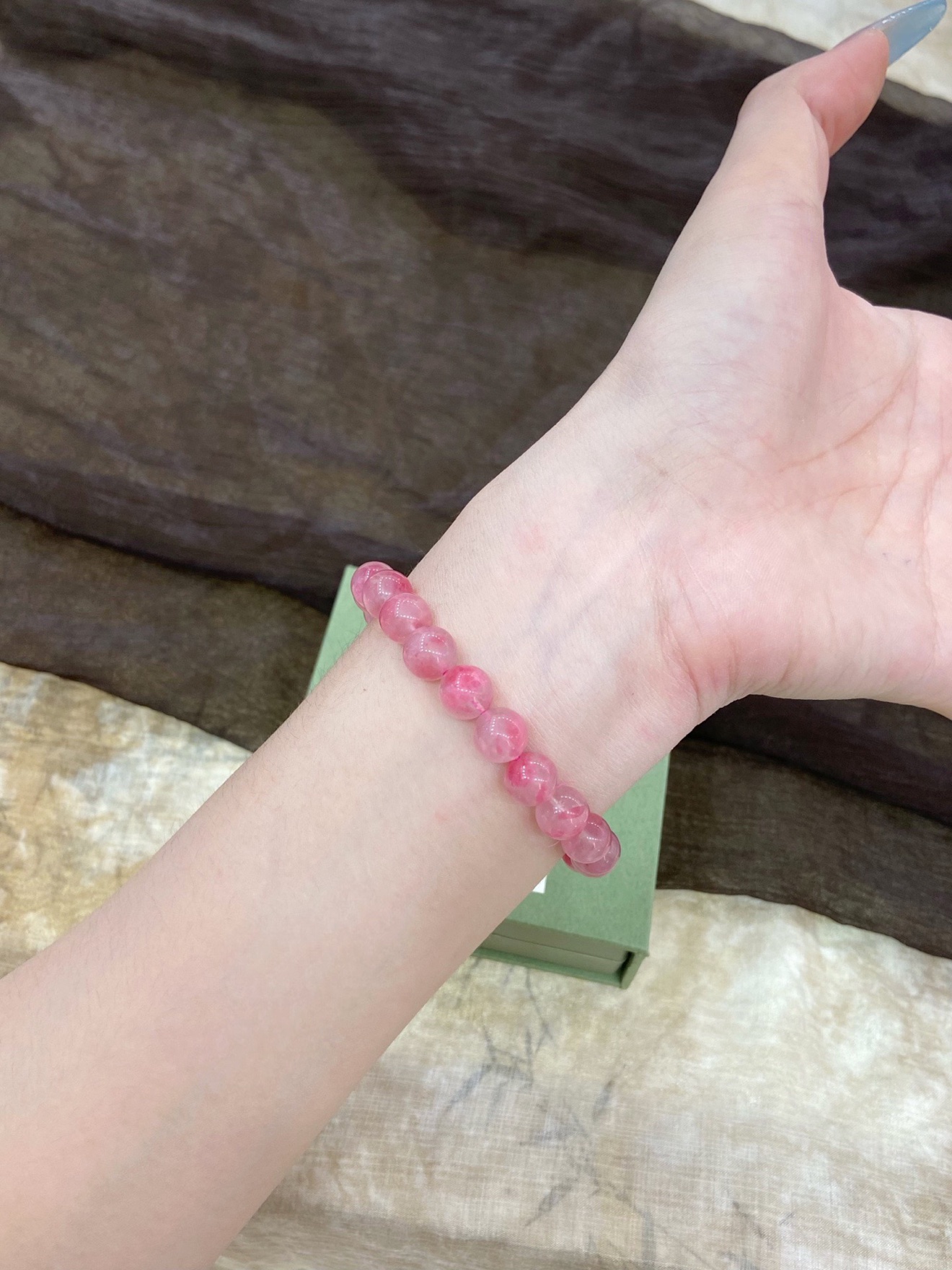
Our beads are reconstituted cinnabar: purified cinnabar powder — cinnabar is mercury sulfide (HgS), a natural mineral — pressed into beads and carving blanks, then carved and polished by hand. Jewelry is worn on the skin, not ingested, and the mineral is stable at everyday temperatures. The precautions are simple and are stated plainly on this page.
Last updated: 14 November 2026
1. What cinnabar is
Cinnabar is mercury sulfide (HgS), a naturally occurring mineral. Our pieces are worn on the skin — not ingested — and the mineral is stable at everyday temperatures. As a precaution, do not put cinnabar in your mouth, avoid prolonged high heat or open flame, and keep it away from small children. We make no medical or health claims.
2. What our beads are made of: reconstituted cinnabar
Every cinnabar piece at ZenWrist is reconstituted cinnabar (再造朱砂). That means the bead is not cut from a single block of raw ore. Natural cinnabar is purified into a fine powder; the powder is pressed and formed into beads and carving blanks; then each piece is carved, drilled and polished by hand. Forming beads from purified powder is how cinnabar bead jewelry is normally made — raw cinnabar ore is brittle and seldom yields pieces large enough to carve beads from. "Reconstituted" describes how the bead is formed, not a coating or a substitute material: the bead is cinnabar through and through, in the color grades described next.
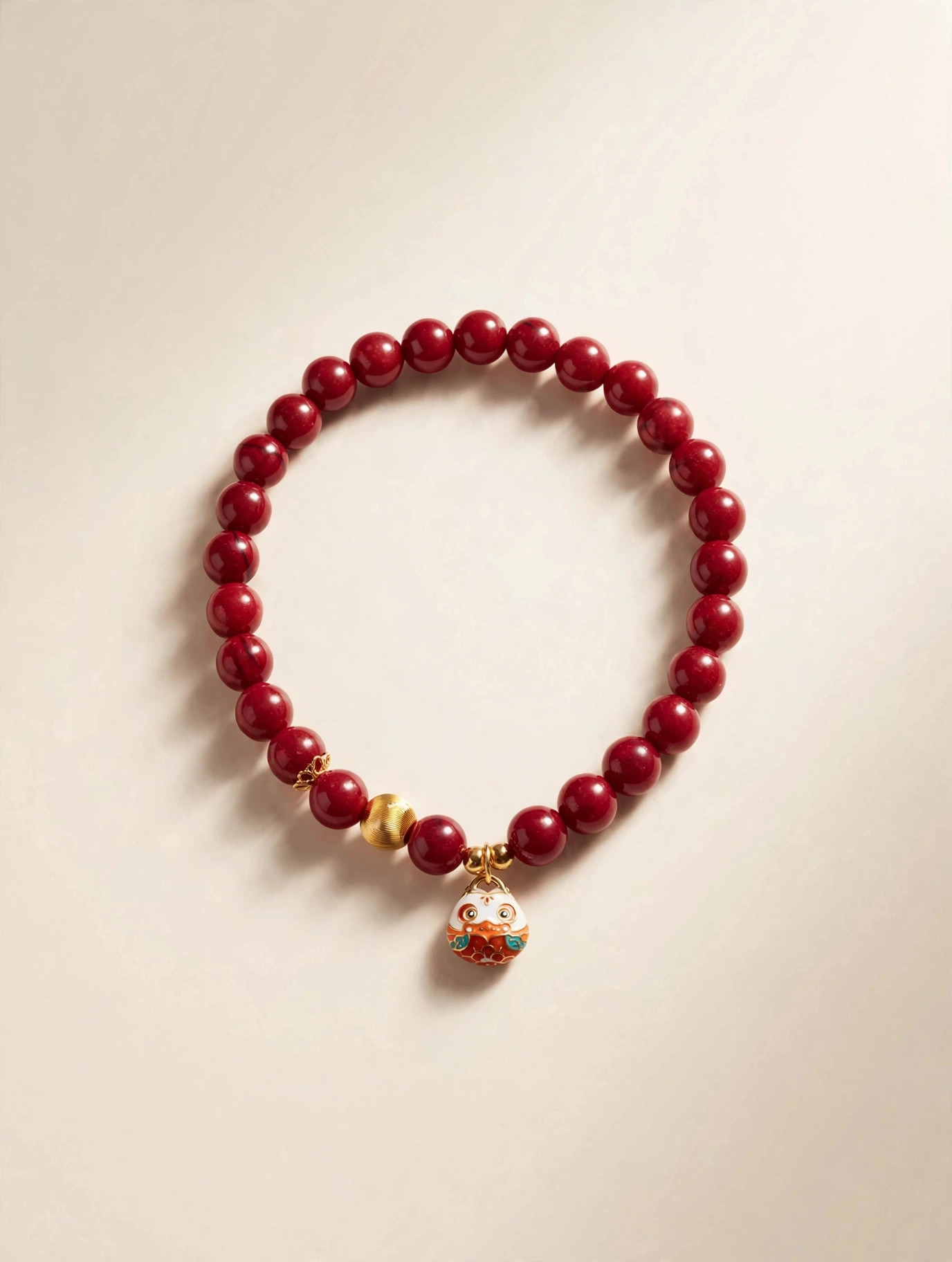
3. Three names you'll see on this site
"Purple-gold sand" (紫金砂), "imperial red sand" (帝王砂) and "classic red sand" (大红砂) describe the color and finish of the cinnabar used — deep purplish-red, bright imperial red, and classic red. The names describe appearance only; we make no claims about mineral-content percentages from the name alone.
4. Purity and lab testing
We send sample pieces for third-party lab testing. A sample of our reconstituted cinnabar was tested by ITC (International Testing Center), report no. 31520829414, and measured at about 97% cinnabar content. That figure describes the tested sample. It is not a per-piece certificate: we do not run a lab test on every bracelet we sell. The report itself is published on our certificates page; how samples are picked is described in how we choose every piece, and this page is maintained by Huozhong Dong, the founder who selects every piece.
5. Wearing precautions
- Wear it on your skin; do not put it in your mouth. Cinnabar jewelry is not a teething item and is not made for children to chew.
- Keep it away from small children, and store it where they cannot reach it.
- Avoid prolonged high heat or open flame, and do not burn, grind or crush the beads.
- If a bead cracks or breaks: stop wearing the piece, gather the fragments, wash your hands after handling them, keep fragments away from children and pets, and contact us with a photo.
Day-to-day cleaning and storage are covered in our care guide.
6. Why every bead looks a little different
Cinnabar is a natural mineral material, and each bead is carved and polished by hand. Slight differences in color, texture and pattern from bead to bead are normal — they are how you know the piece is not molded plastic.
7. Simple checks you can do at home
For reference only — not a substitute for professional testing. Look at the bead holes: the color inside the hole should be close to the color outside. Look for mold seams or air bubbles — molded imitations often show a visible seam line or trapped bubbles. Feel the weight: cinnabar is noticeably heavier in the hand than plastic or resin. None of these checks can prove authenticity on its own; if you want certainty, ask a local gem lab. Photo comparisons are in our authenticity guide.
Frequently asked questions
Is cinnabar safe to wear?
Worn on the skin as jewelry, it is a stable mineral at everyday temperatures — with the precautions on this page. Do not put it in your mouth, avoid prolonged high heat or open flame, and keep it away from small children. We make no medical or health claims.
Is cinnabar toxic?
Cinnabar is a mercury compound, so treat it with the respect a mineral deserves. Its mercury is bound as mercury sulfide (HgS), a stable, very insoluble compound, and jewelry use means skin contact only — not ingestion, not breathing dust, not heating. The precautions above exist for exactly those routes. If you are buying for a small child or have a medical concern, the cautious choice is not to wear it and to ask a medical professional; we sell jewelry, not medical advice.
What is reconstituted cinnabar?
Cinnabar that has been purified into powder and pressed back into shape. Natural cinnabar is ground and purified into a fine powder; the powder is pressed and formed into beads and carving blanks, which are then carved and polished by hand. All ZenWrist cinnabar pieces are made this way.
How pure is the cinnabar in your bracelets?
A lab-tested sample of our reconstituted cinnabar measured about 97% cinnabar content (ITC report no. 31520829414). The report covers the tested sample only — we do not lab-test every piece, so read 97% as the sampled material's measured figure, not a per-piece guarantee. The report is published on our certificates page.
What if a bead breaks?
Stop wearing the piece and gather the fragments. Wash your hands after handling broken pieces and keep fragments away from children and pets. Then contact us through the Contact page with a photo; if it is a quality problem, our returns policy applies.
Related: lab certificates · how we choose every piece · is cinnabar safe to wear? · about the founder · authenticity guide