ZenWrist / Guide
Five emperor coins: what they are and how they are used
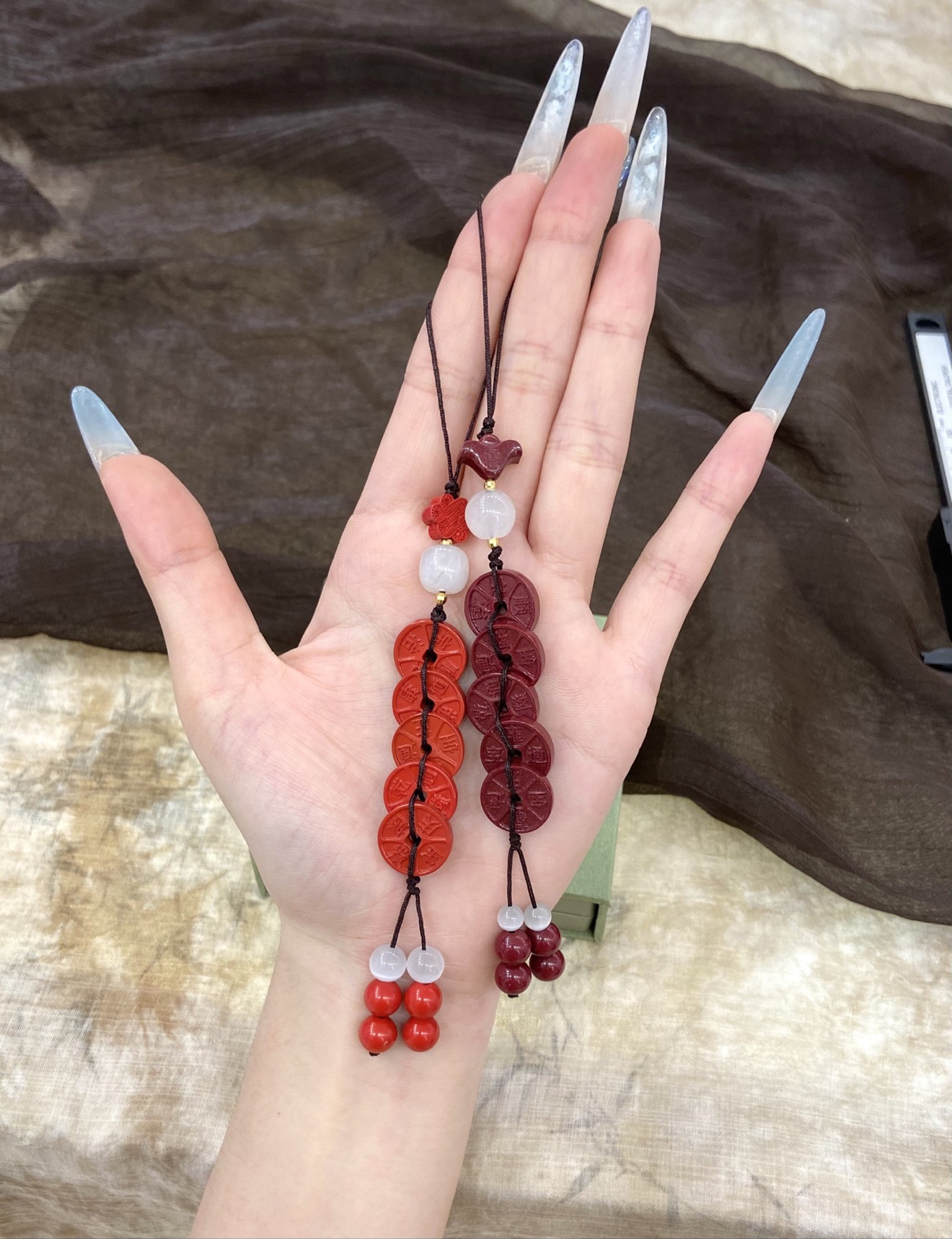
Five emperor coins are five Qing-dynasty coins kept together as a set. In folk custom the five stand for the five directions and the five elements — the set below explains each emperor, how the coins are used, and the ZenWrist cinnabar piece made from them.
Last updated: 20 November 2026
1. What five emperor coins are
Five emperor coins (五帝钱, wǔ dì qián) are five copper coins from the Qing dynasty, kept together as a set. In folk custom, one coin stands for each of the five directions and each of the five elements (五行, wǔxíng). The set is a traditional symbol, not a modern invention — it has been passed down as part of Chinese folk culture for generations.
2. The five emperors
The five emperors, in order, are Shunzhi, Kangxi, Yongzheng, Qianlong and Jiaqing — the five Qing emperors whose reigns the coins come from. A genuine old set would be antique coins from those reigns. The ZenWrist piece is different: it is made of newly made cinnabar coins in the same five-coin form, hand-carved rather than antique.
3. How they are used
Five emperor coins are usually hung by a door, in a car, or carried and worn as a pendant. They are commonly strung on red cord, finished with a knot and a tassel. The hanging is the common form — five emperor coins are not normally a bracelet.
4. Cinnabar five emperor coins at ZenWrist
| Piece | What it is | Price |
|---|---|---|
| Cinnabar Five-Emperor Coins Hanging (#39) | Hand-carved cinnabar, five coins on knotted cord with beaded tassel, 17g, bright red or dark maroon, daily-wear pendant | $51 |
| Pixiu Vault bracelet (#03) | The wrist option when you want the wealth guardian on your wrist instead — purple-gold cinnabar, four charm styles | $59.90 |
5. Choosing — and a note on expectations
Pick by the form you will actually use — a hanging or a bracelet — and the look you like. Everything on this page is cultural background. ZenWrist does not offer BaZi readings.
Frequently asked questions
What are five emperor coins?
Five copper coins from the Qing dynasty, kept together as a set. In folk custom the five stand for the five directions and the five elements. The set is a traditional folk symbol — see the first section of this guide for the full explanation.
Which five emperors are they?
Shunzhi, Kangxi, Yongzheng, Qianlong and Jiaqing, in that order — the five Qing emperors whose reigns the coins come from. A genuine old set would be antique coins; the ZenWrist piece is newly made cinnabar coins in the same five-coin form.
Where do you hang five emperor coins?
By a door, in a car, or worn as a pendant. They are usually strung on red cord with a knot and tassel. The hanging is the common form — five emperor coins are not normally made into a bracelet.
Can I wear five emperor coins as a bracelet?
ZenWrist has no five-emperor-coins bracelet. The Five-Emperor Coins Hanging (#39, $51) is a pendant hanging. If you want the wealth guardian on your wrist instead, the wrist option is the Pixiu Vault bracelet (#03, $59.90).
Is cinnabar five-emperor-coins jewelry safe to wear?
Yes — a finished, sealed cinnabar piece is safe for everyday wear on the skin. Cinnabar is mercury sulfide (HgS): the mercury is locked into a crystal lattice with sulfur, not free liquid mercury. Never cut, file or crush the beads, and never put them in your mouth; if a piece chips or breaks, stop wearing it. A sample test (ITC report no. 31520829414) measured about 97% cinnabar content in the tested sample. Full detail in our cinnabar safety guide, and the certificate itself on our certificates page.
Related: pixiu meaning · five elements & cinnabar · feng shui placement compass · is cinnabar safe to wear? · cinnabar care guide